 English
 Français
 Deutsch
 Italiano
 Español
 Português
Analysis • 11 October 2026 • Events of 5–10 October
Feng Shui and the housing crisis meet at a fundamental question: what allows people to inhabit a place with dignity? This week’s international events invite us to look beyond decoration and consider shelter, shared resources and the conditions of everyday life.
Three developments, one question about shelter
On 5 October, the UN Secretary-General called for housing to be treated as a public good. [1]
On 9 October, IOM warned that nearly two million people in Gaza need shelter assistance before winter. [2]
On 10 October, WHO’s World Mental Health Day campaign emphasized participation by people with lived experience. [3]
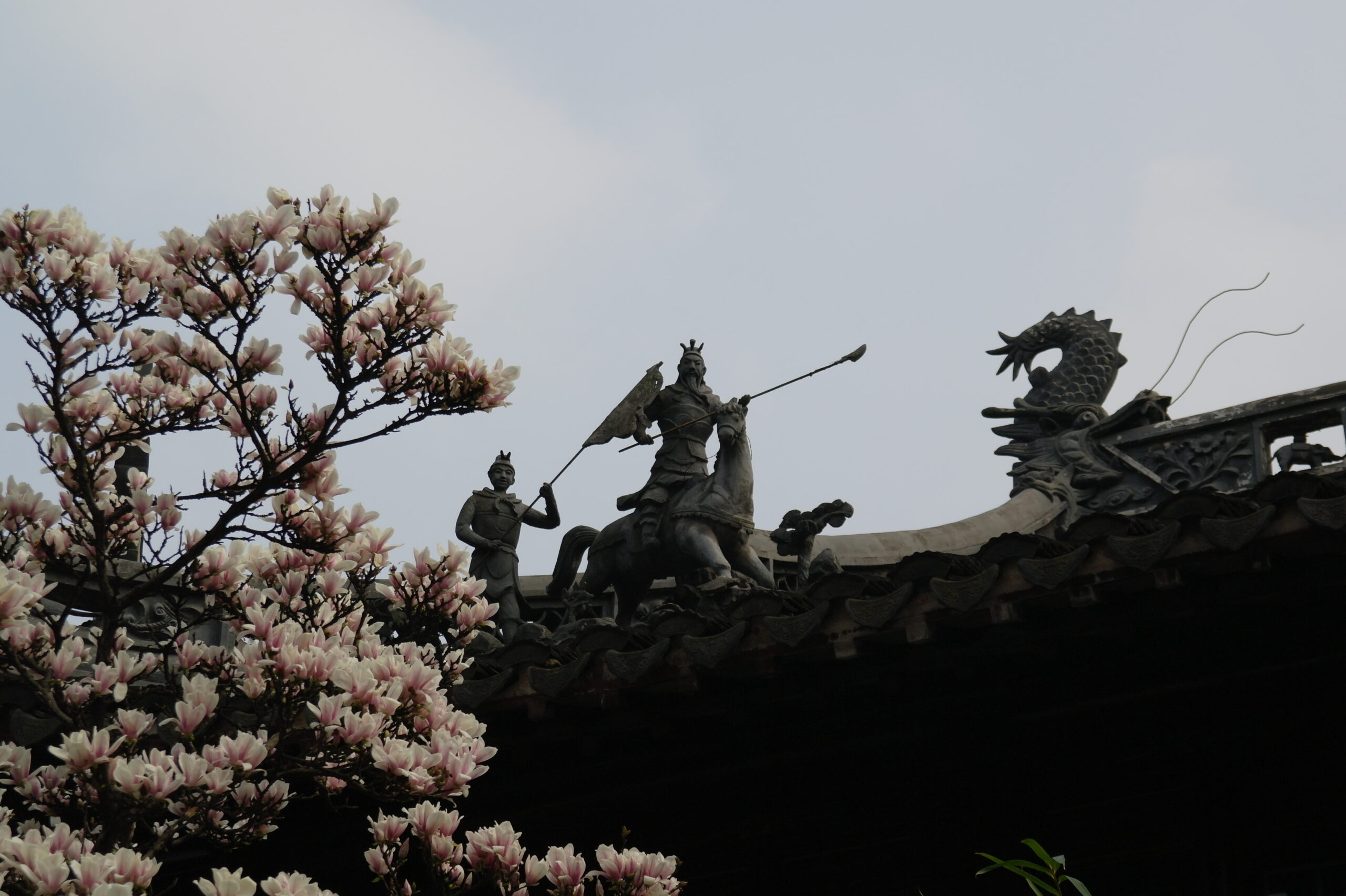

How Feng Shui helps interpret the housing crisis
1. Begin with the meaning of a place
Feng Shui is a Chinese tradition concerned with the relationship between people, buildings and their surroundings. Its name is commonly translated as wind and water. Different schools use different methods, including landscape observation and compass-based systems; they should not be collapsed into one universal formula. Here, the tradition offers a philosophical reading of habitation. The connection to this week’s news is interpretive: a home sits within an environment and a network of relationships. It cannot be understood only as an isolated object. This perspective asks whether a place supports ordinary life before asking whether it looks harmonious.
2. Protection comes before auspicious decoration
The shelter warning from Gaza gives that question exceptional urgency. A philosophical reading must start with exposure, safety and the ability to remain somewhere, rather than colours or symbolic objects. Calling a damaged dwelling inauspicious can obscure the decisions and material conditions that produced the damage. People do not cause displacement through bad energy. The useful connection is ethical: an environment that cannot offer protection cannot reasonably be described as harmonious. In an emergency, structural assessment, weather protection, sanitation and access to assistance take priority. Feng Shui can help us reflect on what shelter means; qualified humanitarian and engineering practice determines how to provide it.
3. Qi as a language of relationships
In traditional Feng Shui, qi is a central concept of vital influence. It is not a measurable substitute for airflow, electricity or public funding. For this analysis, flow becomes a metaphor for how a place connects people with what sustains them. Can someone reach water, food, transport, care and neighbours? Does a route remain accessible to a person with limited mobility? When the answer is no, moving a chair cannot resolve the underlying exclusion. Thinking relationally draws attention to bottlenecks: a locked service, an unaffordable journey, a broken pathway. These are concrete barriers that require concrete decisions, even when a symbolic vocabulary helps make them visible.
4. Wind and water require humility
The words wind and water remind us that buildings exist within changing natural conditions. Shelter should respond to climate and terrain, rather than assume that the outside world will remain predictable. In this reading, harmony means an attentive relationship with the environment, including recognition of danger. A water feature may symbolize continuity in a garden; uncontrolled water can threaten a dwelling. There is no contradiction in distinguishing those situations. Nor does a symbolic association provide a flood forecast. Local hazard information, drainage expertise and safe construction remain essential. The philosophical contribution is to resist treating environmental context as a decorative afterthought.
5. Yin and Yang describe a needed balance
Yin and Yang offer a way to consider complementary qualities: quiet and activity, enclosure and openness, rest and encounter. They do not mean dividing a home mechanically into good and bad halves. Applied to housing, the question becomes whether residents have choices. A family needs privacy, but also access to others; a neighbourhood needs movement, but also places to pause. Overcrowding can eliminate retreat, while isolation can eliminate connection. A balanced environment gives room for both without forcing everyone into the same routine. This is a design interpretation, not a clinical promise that a particular layout will cure distress.
6. The Five Phases become questions, not prescriptions
Wood, Fire, Earth, Metal and Water are better approached here as symbolic processes than as a shopping list of materials. Wood can prompt reflection on growth and renewal; Fire on visibility and shared activity; Earth on stability and support; Metal on boundaries and organization; Water on adaptability and continuity. These associations are an editorial exercise, not a diagnosis of any city or household. Ask what is missing in practical terms: secure tenure, a meeting place, clear information or a flexible service? The answers may require policy and maintenance rather than ornaments. No element should be blamed for conflict, poverty or a shortage of housing.
7. Read the Bagua without erasing reality
The Bagua organizes eight trigrams within different interpretive systems. Modern popular practice also maps life themes onto parts of a home, but schools disagree about orientation and application. Without a plan, measurements and a stated method, assigning a collective crisis to one compass sector would be arbitrary. A more careful use is reflective: consider family relationships, learning, livelihoods and mutual support as interconnected aspects of habitation. Ask how a dwelling or neighbourhood permits those activities. The map should generate questions, not overwrite residents’ experiences. A symbolic centre can suggest common responsibility, but it cannot establish where money, land or authority ought to be allocated.
8. Housing harmony has a sociological dimension
The housing crisis reveals that access to a supportive environment is unevenly distributed. Income, tenure, public infrastructure and political decisions shape who can obtain privacy, stability and safe surroundings. If Feng Shui is presented only as a premium interior service, it risks becoming another language of advantage. A broader interpretation asks who maintains shared spaces, who can afford repairs and whose discomfort is ignored. It also challenges the idea that residents must personally compensate for every failure around them. Harmony can be a collective ambition: reliable services, welcoming common areas and meaningful influence over change. Responsibility belongs to institutions as well as households.
9. Let residents define what support means
The week’s mental-health observance provides a useful parallel without making this article a treatment guide. Spatial expertise is incomplete when the people using a place cannot influence it. Someone may prefer a quiet corner; another may value a visible communal table. A consultant should listen before applying a formula. The same principle matters in rebuilding or improving housing: ask residents about daily routines, privacy, accessibility and cultural meaning. Participation changes who has authority to describe a place as successful. A visually ordered room may still feel alienating if its users have no control. Supportive design starts with practical dialogue and continues through feedback.
10. Interpret the week through responsibility
The strongest Feng Shui interpretation of these events is therefore a shift in scale. Move from the object to the room, from the room to the neighbourhood, and from the neighbourhood to the systems sustaining it. At home, start with a clear, safe passage and a usable place to rest, within your means. In community projects, identify access barriers with residents and assign responsibility for repairs. In public debate, ask whether housing decisions create durable protection and belonging. Observe the outcome rather than declaring harmony achieved. This approach preserves the tradition’s invitation to attend to place while refusing to turn tragedy into an omen or injustice into an individual spiritual failure.
A home is also a relationship
This week invites a humane reading of Feng Shui: the quality of a place depends on the relationships it makes possible. Symbolic reflection can deepen attention, but dignified shelter requires resources, rights and sustained public action. The analysis above is original philosophical commentary, not evidence that Feng Shui causes global events or replaces professional care.
Reliable sources
[1] United Nations / António Guterres — UN Secretary-General’s message for World Habitat Day 2026 (5 October 2026).
[2] International Organization for Migration (IOM) — Nearly 2 Million in Gaza Need Urgent Shelter Assistance as Winter Looms (9 October 2026).
[3] World Health Organization (WHO) — World Mental Health Day 2026 (10 October 2026).
Let’s discuss about this here….
What Is Feng Shui? — Explore the basics and ask questions in our forum.