Verified facts
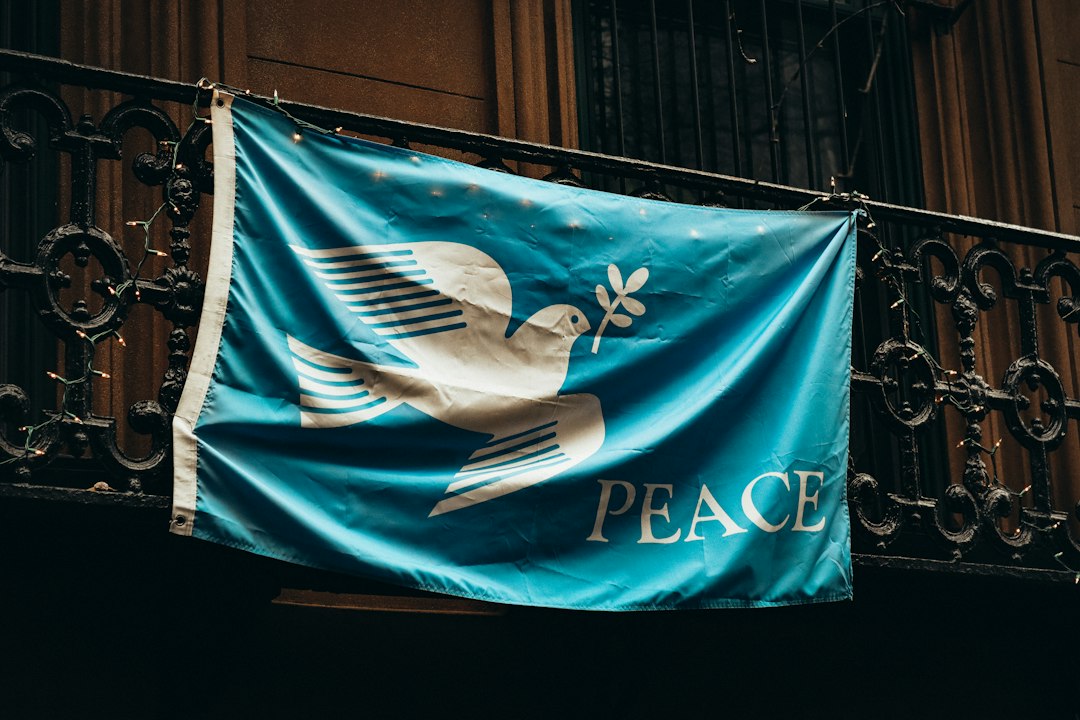
September 26 was the UN International Day for the Total Elimination of Nuclear Weapons. The United Nations says the observance raises awareness of the threat posed by nuclear weapons and the need for their elimination. Because September 26 fell on a Saturday in 2026, the General Assembly scheduled its high-level plenary meeting for September 29. ITUC–Asia Pacific issued a separate public statement calling for abolition and cooperative security; SIPRI’s 2026 data provides broader context on existing arsenals.
Why it matters
Nuclear policy combines catastrophic humanitarian risk, national security claims, treaties, verification and political trust. An observance is not disarmament itself, but it creates a public moment to examine measurable commitments and obstacles.
Feng Shui philosophical interpretation
Used cautiously, Yin–Yang highlights a tension: deterrence is presented as protection, yet the same weapons create profound vulnerability. The concept of Qi as shared flow can symbolize interdependence—radiation, climate effects, fear and economic costs do not respect borders. In the Bagua metaphor, security cannot be isolated from health, community, knowledge and relationships.
This lens does not calculate risk, prove causation or replace arms-control expertise. It simply asks whether a security arrangement that produces extreme shared danger is genuinely balanced, and how verified, reciprocal steps might change that pattern.
Sources
- United Nations, “International Day for the Total Elimination of Nuclear Weapons”, updated for 26 September 2026.
- ITUC–Asia Pacific, “International Day for the Total Elimination of Nuclear Weapons 2026: Rejecting Fear and Building a Path to Lasting Peace”, 26 September 2026.
- SIPRI Yearbook 2026, chapter and data on world nuclear forces, 2026 (context).
Feng Shui is presented as a philosophical and cultural interpretive lens, not scientific causation, prediction, or medical, legal, financial, architectural, military or safety advice.