 English
 Français
 Deutsch
 Italiano
 Español
 Português
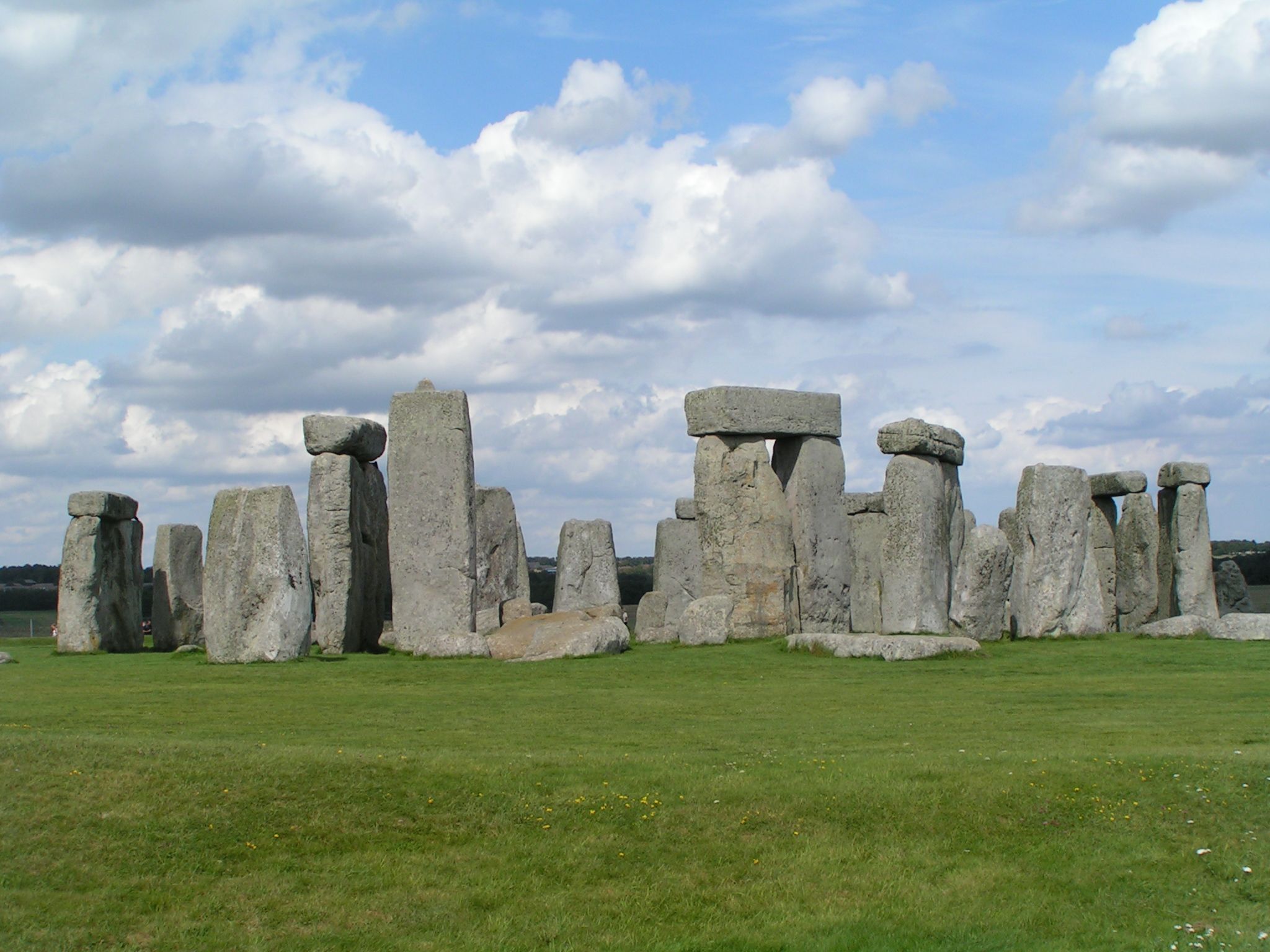

1986: a prehistoric sacred landscape becomes world heritage
In 1986, UNESCO inscribed Stonehenge, Avebury and Associated Sites on the World Heritage List. This international recognition turned a familiar British landmark into an explicitly shared responsibility: its significance belonged to humanity, while its care remained rooted in its local landscape. The event provides a useful starting point for exploring an esoteric question with historical discipline. Why do particular arrangements of stones, paths and horizons acquire sacred meaning? UNESCO recognised archaeological and cultural importance; it did not certify supernatural powers or endorse a particular spiritual explanation. [1]
The inscription concerned more than Stonehenge’s famous stone circle. Avebury and the surrounding prehistoric monuments form another part of the recognised property. Together, these places preserve evidence of communities organising land, labour and ceremony across generations. Thinking in terms of a landscape changes the story. A monument is experienced through an approach, a surrounding horizon and its relationships with other places. Protection therefore involves more than keeping individual stones upright: the spaces between monuments also help make their historical significance intelligible. [1]
Stonehenge itself developed through successive building stages. English Heritage dates the beginning of work to roughly 5,000 years ago and the principal stone circle to about 2500 BCE. Its builders did not simply pile up rocks. They shaped and joined monumental stones with techniques resembling woodworking, producing an unusually sophisticated structure. The smaller bluestones include material brought from south-west Wales, demonstrating connections beyond Salisbury Plain. These facts point to planning, skilled work and sustained cooperation, although they do not reveal the exact beliefs of the people involved. [2]
The relationship with the Sun supplies the strongest bridge between physical construction and cosmological interpretation. The monument’s principal axis relates to midsummer sunrise and midwinter sunset. Such orientation makes seasonal turning points perceptible through architecture: a direction on the horizon becomes part of a deliberately arranged place. For farming communities, seasonal change would have mattered deeply. However, recognising an alignment does not reconstruct an entire religion. Archaeologists must distinguish observable orientation from hypotheses about ceremonies, social authority and the meanings assigned to light. [2,3]
Later interpretations added further layers. English Heritage describes the changing history of ideas about Stonehenge, including its association with Druids in antiquarian thought. The prehistoric construction dates mean that later Druid associations cannot simply identify the original builders. Modern esoteric readings may give the monument personal spiritual meaning, but claims about invisible energy grids or universal secret knowledge require evidence of their own. A meaningful contemporary experience and a demonstrated prehistoric belief are different kinds of statement; neither should be quietly substituted for the other. [3]
The importance of 1986 lies in bringing these layers under an international framework of stewardship. World Heritage recognition asks people to preserve material evidence even when interpretations differ. For Chibagua’s community, that creates a productive way to discuss sacred space: begin with what can be documented, identify what remains uncertain, and then explain where personal interpretation begins. Stonehenge’s continuing fascination comes partly from this combination of visible order and incomplete knowledge. Its stones invite attention to time and place without requiring us to pretend that every ancient intention has already been recovered.
A Feng Shui reading: orientation, cycles and care
Stonehenge and Feng Shui can be compared through their attention to orientation, landscape and changing natural conditions. This is a modern interpretive comparison, not evidence that Neolithic Britain practised a Chinese tradition. Feng Shui developed in a different cultural setting. No documented transmission between Stonehenge’s builders and Feng Shui is established by the sources cited here. Keeping that boundary clear allows a thoughtful comparison without turning resemblance into an invented shared history.
Within Feng Shui philosophy, qi describes a traditional understanding of the vitality and relationships of a place. Applied as a reflective vocabulary, it prompts questions about how an approach, an open centre and surrounding land shape human experience. At Stonehenge, the relationship between movement and stillness is especially suggestive: people approach a defined setting, pause, and become aware of the wider horizon. This reading concerns experience and symbolism; it does not demonstrate a measurable energy emitted by the stones.
The solstices also offer an analogy with yin and yang as complementary, changing conditions. Increasing and decreasing daylight reveal a cycle rather than a permanently ideal state. A Feng Shui reflection might therefore ask how a home supports both active daylight hours and quieter periods of rest. It would not justify imposing a bagua diagram on the monument as though that diagram explained its original design, or assigning universal fortunes to its compass directions.
Finally, the 1986 inscription invites an ethical reading of harmony. Caring for a meaningful place includes its setting, access and future survival. At home, the practical translation is modest: observe seasonal light, maintain clear and comfortable routes, and create a quiet place for attention. These choices can support everyday comfort without promises of supernatural results. What makes the comparison useful is the invitation to notice relationships and practise stewardship.
Sources and further reading
- UNESCO — Stonehenge, Avebury and Associated Sites
- English Heritage — Stonehenge: History and Stories
- English Heritage — History of Stonehenge
Let’s discuss about this here…
What Is Feng Shui? — Explore the basics and ask questions in our forum.