 English
 Français
 Deutsch
 Italiano
 Español
 Português
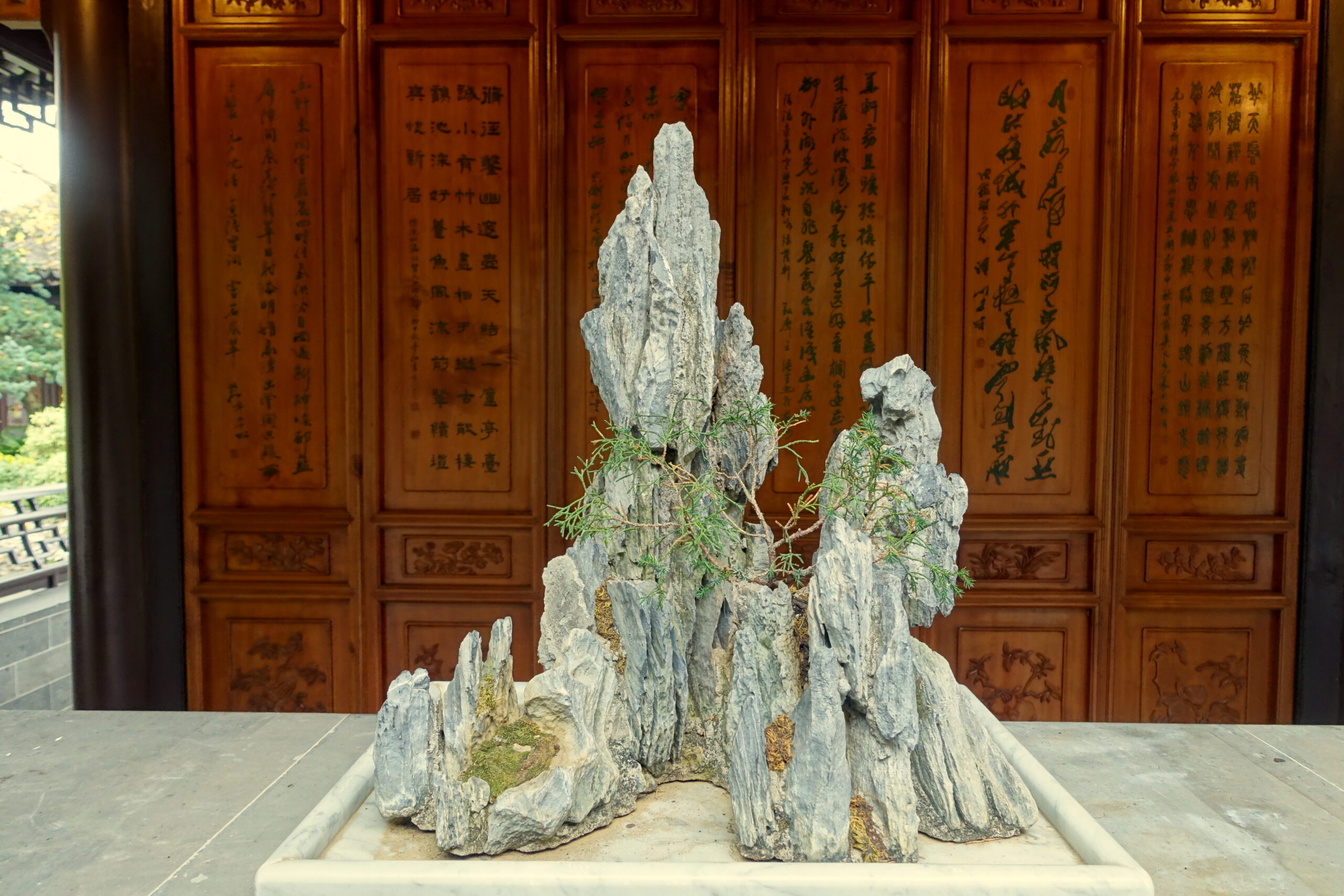

Feng Shui and disaster resilience invite reflection on how homes relate to their surroundings. On 12 October, WMO reported Nepal’s 11 October flood; a landslide blockage failure was a preliminary explanation, still requiring investigation. [4]
A global event with an intimate question
On 13 October 2026, the International Day for Disaster Risk Reduction puts a familiar place at the centre of a global debate: our homes. UNDRR’s theme, “Resilience Starts at Home,” asks how housing can protect people when hazards arrive. Its campaign connects safety with planning, construction, maintenance and unequal access to resources. This is a timely sociological question: who has the power to make their home secure, and who must live with risks they cannot control? [1]
Feng Shui offers a philosophical lens for considering that question. It does not establish why a storm occurs or certify a building’s safety. Instead, its attention to relationships between people, places and movement invites a closer reading of what a supportive home means. The connection discussed here is an interpretation, not an endorsement of Feng Shui by the United Nations.
Feng Shui and disaster resilience: reading the surroundings
Feng Shui, commonly translated as wind and water [5], is a Chinese tradition concerned with the arrangement and situation of places. Its schools differ: landscape forms, compass directions and temporal systems do not produce one universal checklist. Nevertheless, the relationship between a dwelling and its surroundings is central to a Feng Shui reading.
The disaster-risk theme makes that relationship visible. A house cannot be understood only through its interior. Slopes, drainage, neighbouring buildings, roads and access all shape the experience of living there. Philosophically, harmony therefore means attending to context. A beautifully arranged room may still sit within an unsafe housing system. The recent Nepal flood makes this relationship between dwelling and landscape especially concrete; no symbolic arrangement could neutralise a sudden upstream hazard. Feng Shui becomes more thoughtful when it prompts observation of that wider setting, while engineering and local hazard assessments determine physical safety.
Qi as a language of attention
In Feng Shui, qi is a traditional concept of vitality and movement. It should not be presented as a measurable force that predicts disasters. Used as an interpretive vocabulary, however, it encourages questions about how a household functions: where can people move easily, where do routines become obstructed, and which spaces support care?
An entrance crowded with possessions can symbolise blocked flow. Its practical significance is more straightforward: people may have difficulty passing through it. Clearing a route can express a Feng Shui intention while serving an ordinary functional purpose. These two explanations should remain distinct. The same distinction applies to daylight, noise and air: traditional meanings may enrich personal experience, but claims about health require evidence.
Feng Shui and disaster resilience: shelter and response
Yin and yang describe complementary, interdependent qualities rather than a simple opposition between good and bad. Through this lens, home needs both retreat and readiness. Quiet rooms support rest; clear communication and accessible movement support response. Too much emphasis on decorative serenity can conceal neglected maintenance. Constant stimulation can make a dwelling difficult to inhabit peacefully.
Balance is contextual. A household with an older resident, a child or someone with a disability will need different arrangements. A reflective Feng Shui approach begins with these people rather than imposing an idealised room photograph. WHO’s housing guidelines address crowding, indoor temperatures, injury hazards and accessibility; they supply an evidence-based foundation for concerns that symbolic language alone cannot resolve. [2]
The five phases without magical promises
Wood, fire, earth, metal and water form the traditional five-phase framework. For this article, they can be used as reflective prompts: wood for growth and adaptation, fire for activity, earth for support, metal for organisation, and water for movement and responsiveness. These associations are an editorial exercise, not a hazard-management method.
Ask whether growth is supported by adaptable space, whether activity leaves room for rest, whether essential support is dependable, whether information is organised, and whether the household can respond to change. The exercise concerns relationships and responsibilities. Adding a fountain, a colour or a metal ornament cannot prevent flooding, compensate for structural defects or substitute for official emergency instructions. Symbolic objects are meaningful only within the limits of symbolism.
The sociological issue: unequal capacity to act
The phrase “starts at home” can be misread as placing the whole burden on individuals. UNDRR explicitly describes resilience as a shared responsibility and identifies unequal resources and decision-making power. A tenant may recognise a problem without having permission or funds to fix it. Families may remain in exposed locations because safer housing is unaffordable. [1]
A socially aware Feng Shui interpretation must therefore avoid blaming people for an “unharmonious” environment. Poverty is not evidence of deficient qi, and disaster loss is not punishment for furniture placement. The more useful question is whether institutions allow people to inhabit supportive places. Landlords, public authorities and developers participate in that relationship. Harmony becomes an ethical concern about whose needs count.
From the room to the neighbourhood
UN-Habitat’s 2026 World Urban Forum framed its discussions around safe and resilient cities and communities, linking housing with broader urban systems. That earlier event provides background to today’s campaign rather than a new event this week. [3]
Through a Feng Shui lens, this widens the boundary of the home. A doorway opens onto a street, and a household depends on services and other people. The supportive landscape includes opportunities to meet, obtain information and reach essential destinations. A sociological reading asks whether those opportunities are available across neighbourhoods. The idea of connection can encourage care for shared space, but claims that a particular design improves disaster outcomes still need appropriate research.
Feng Shui and disaster resilience: a careful interpretation
Begin by observing your home through the experiences of everyone who lives there. Notice movement, rest, storage and communication. Discuss what feels supportive and what creates friction. Then separate three categories: personal symbolic preferences, everyday functional improvements, and problems requiring qualified advice or public action.
This separation gives the discussion of Feng Shui and disaster resilience a constructive role without overstating symbolic practices. A ritual of reorganising a room may express renewal; addressing a defect requires an appropriate remedy. A household conversation may build shared understanding; access to safe housing also demands collective decisions. Today’s global event invites both scales of attention. Its Feng Shui interpretation is ultimately a question of relationship: does our environment support life, and do our social arrangements make that support available to everyone?
Sources
- UNDRR — International Day for Disaster Risk Reduction 2026
- WHO — Housing and health guidelines (2018)
- UN-Habitat — World Urban Forum 13 (May 2026 background)
- WMO — Nepal floods and compound risks (12 October 2026)
- University of Illinois, Spurlock Museum — Fengshui and its traditions (3 April 2026; cultural background)
Discuss what makes a supportive home in our forum.
What Is Feng Shui? — Explore the basics and ask questions in our forum.